Password or P@55w0rd?
With the ever-changing landscape of internet-based accounts, creating and managing passwords has become a tedious task that no one enjoys undertaking. You’ll spend minutes thinking of a unique password that no one will guess, yet you’ll immediately be able to recall it when needed. Minutes go by and you’ve done it. You’ve created a password that includes four alpha characters, three numbers in the 0-9 range and a special character. You’re free to update your account passwords now, right? Let’s play a game…
Which password is hard to crack? “Password” or “P@55w0rd”?
The answer: neither.
Both of these passwords can be cracked in a few seconds (if even that long) using your average computer. It’s not just about complexity when it comes to building a secure password. The longevity of your passwords also helps develop its strength, ergo increasing the amount of time it’ll take to crack it.
Table of Contents
Password Managers
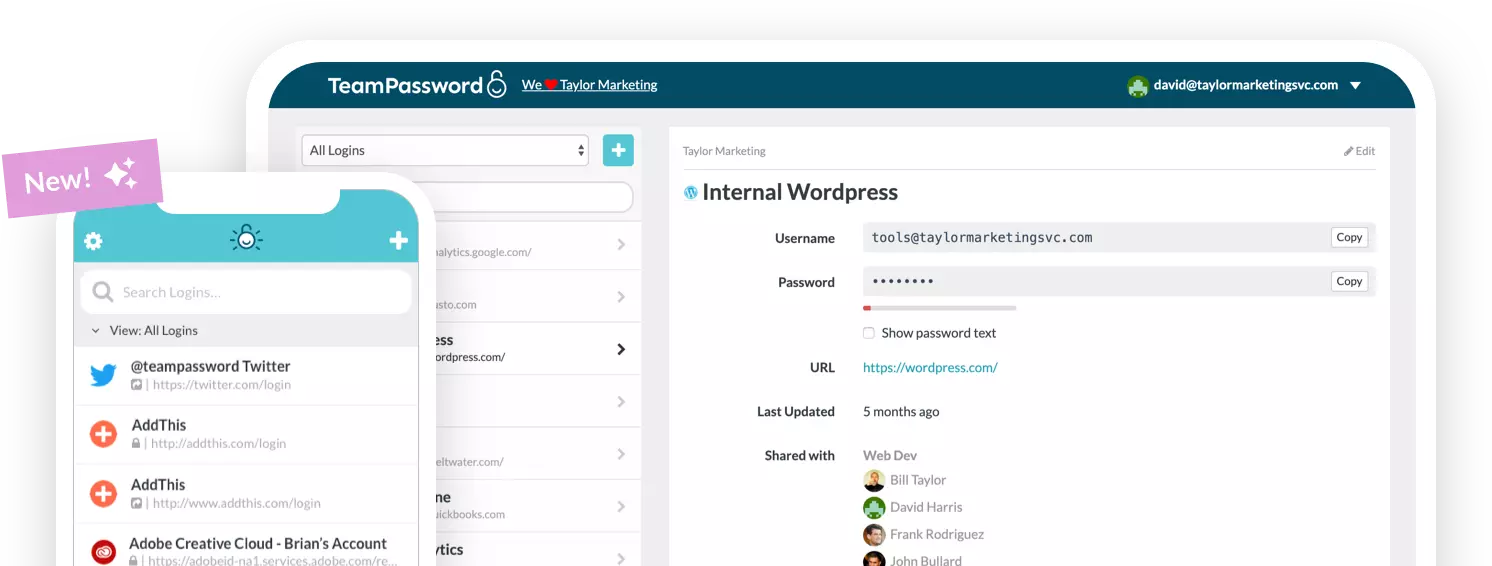
Password managers such as Team Password, LastPass and 1Password take care of the hard work for you. You supply these managers with your password requirements and they can generate and save a random password for you. You can create longer, more complex passwords without needing to remember them.
The good and the bad with regard to password managers is that you only need to remember one password; the one you use to authenticate in the password manager.
Creating your password
When using a password manager, you’re asked to create a master password, which is the only password that you will need to commit to memory. Opt for a passphrase versus a password. Passphrases are just as easy to remember, but are typically longer which help strengthen it. An example of a passphrase would be “This!sMySupperL0ngP@asswordTh@tN013lseh4s” (don’t use this; this is just an example). Do not reuse this password for any other account that you have. Also, be sure to enable multifactor authentication. This adds a layer of security and makes it even more difficult for someone to obtain unauthorized access to your account.
Conclusion
Password complexity isn’t the only factor when creating a strong password. Ensure your complex passwords are 12 characters or longer. Using a password manager allows you to take advantage of stretching the password length as well as randomly generating more complex passwords.
Posts Recomendados
How to Make a Good Username | Create a Unique and Secure Username
See the best way to come up with a new username. We break down types of usernames, why ...
The 5 Best Password Managers for Nonprofits (2026 Review)
Nonprofits have unique needs in software, from lower budgets to less tech-savvy staff or no dedicated IT staff. ...
Top 10 cybersecurity threats for nonprofits (and how to prevent them)
Here’s what you need to know about cybersecurity threats for nonprofits, the top risks they face, and practical ...
Cybersecurity for Nonprofits: Keeping Your Nonprofit Secure
Cybersecurity is critical for all organizations, including nonprofits. Learn more in this guide about cybersecurity for nonprofits.
Fortaleça a segurança das suas senhas
O melhor software para gerar e gerenciar suas senhas corretamente.